In this article I am going to be giving you my unsponsored Pliability app review. I paid for this with my own money to give you my honest opinion.
Mobility work is one of those things that everybody knows they probably should be doing more of, but very few people actually prioritise consistently. As a health and fitness coach, one of the most common things I see in clients is a lack of good mobility, and it can have a huge impact on both performance inside the gym and everyday life. Poor mobility often shows up as tightness, stiffness, recurring niggles, aches and pains, and unfortunately for many people, injuries that just keep coming back time and time again.
It’s also why I put such a strong emphasis on mobility in my own coaching. I even teach a mobility class myself because I know how important it is. Ironically, it’s also one of the least attended classes, and I constantly see people leaving sessions before the mobility and stretching section at the end. Then people wonder why they feel tight, restricted, or uncomfortable in their movement.
For me, health and fitness is about longevity. One of the biggest parts of longevity is being able to move well, without pain, with a good range of motion, and still being able to do the things you love later in life. That’s why I was really interested in testing the Pliability app after constantly seeing it appear on my social media feeds.
This review is not sponsored. I paid for the app myself and have now used it for a couple of months to get a proper feel for whether it is actually worth the investment.
You can continue reading or get the video version below
Disclaimer: Some links may be affiliate links which means I may earn a small commission if you choose to purchase through them, at no extra cost to you. As always, I only share products and services I genuinely use and believe may be helpful.
You can see the full directory of all the apps that I have tested so far HERE.
What Is the Pliability App?
Pliability, formerly known as ROMWOD, definitely has roots in the CrossFit world. One of the adverts I kept seeing featured CrossFit world champion Tia-Clair Toomey, so it’s clearly very performance-driven in its marketing. But even though it comes from that background, I do think the app has relevance for a much wider audience.
At its core, Pliability is a mobility and recovery app designed to help improve movement, flexibility, recovery, and overall performance. It’s not a workout app and it’s not trying to be an all-in-one fitness platform. It focuses specifically on mobility, and honestly, I think that’s one of its strengths.
One thing I really liked straight away was the assessment feature. The app uses an AI-style mobility assessment where you perform a few squat-based movements and positions while it tracks your range of motion in different joints. From there, it gives you recommendations on where to start.
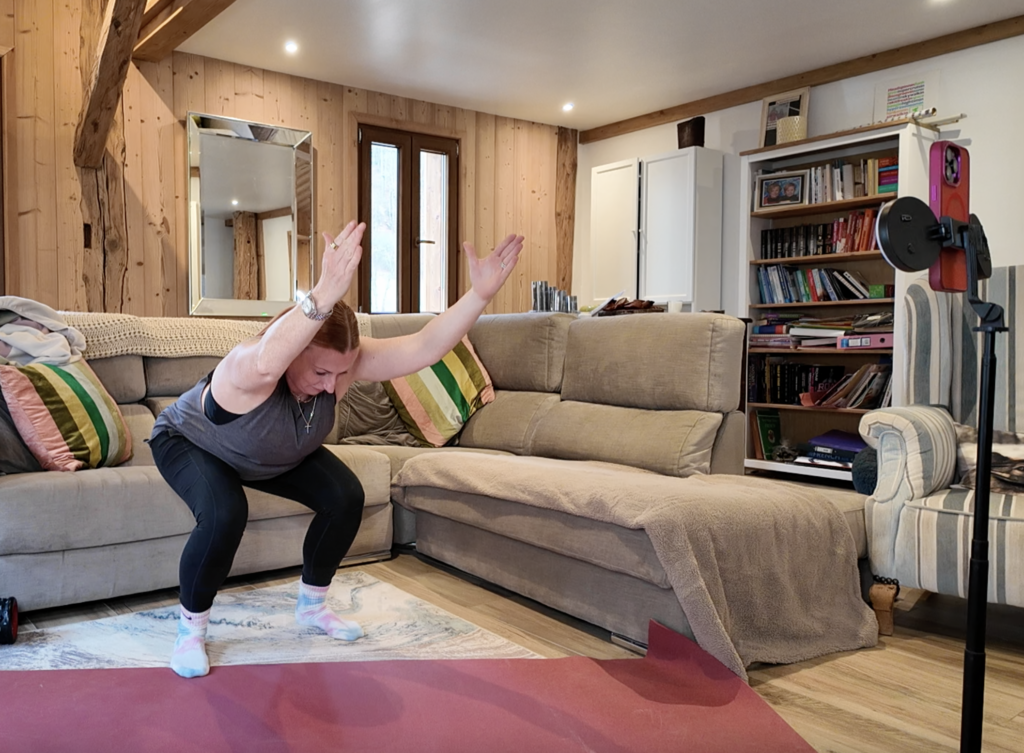
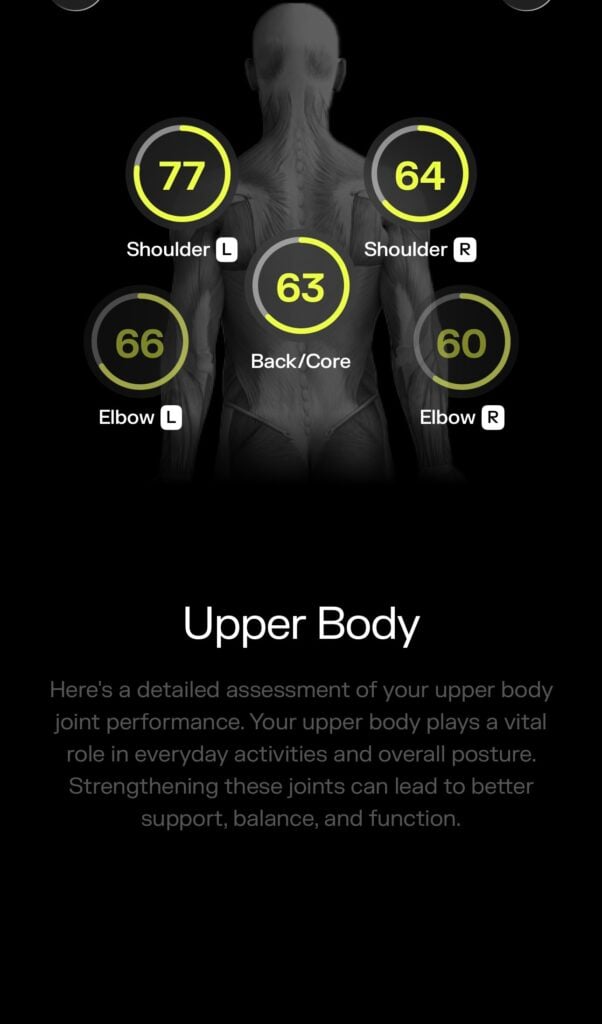
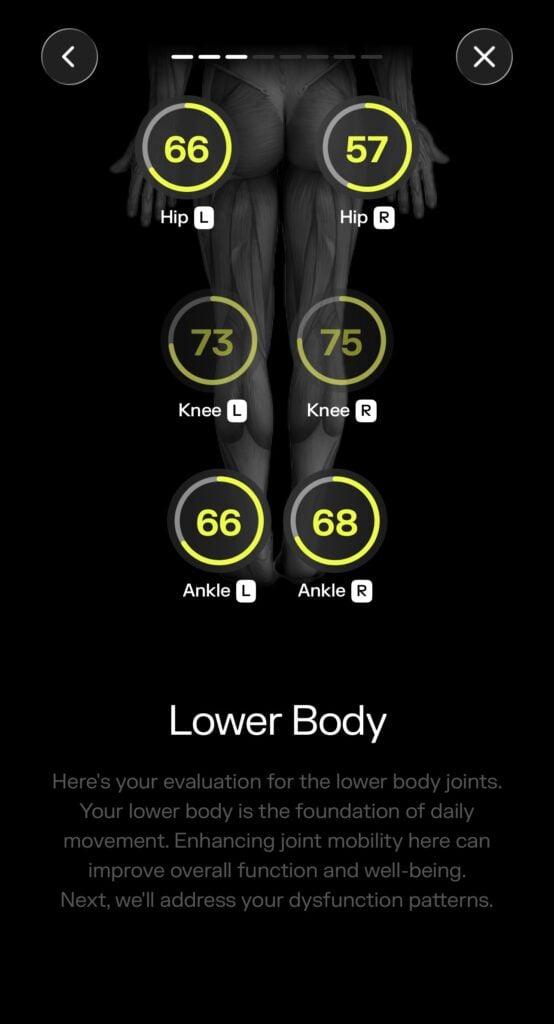
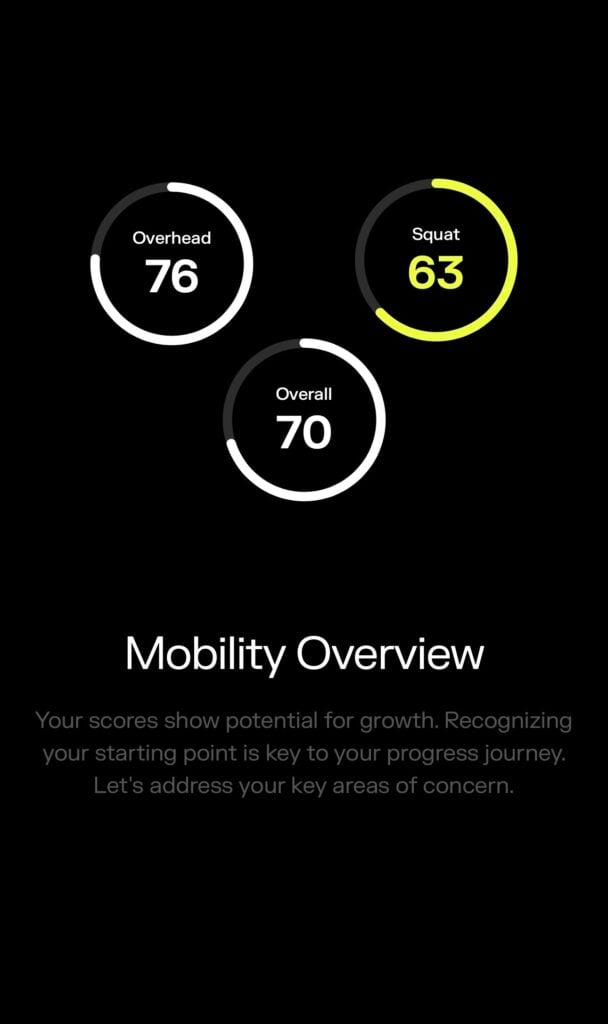
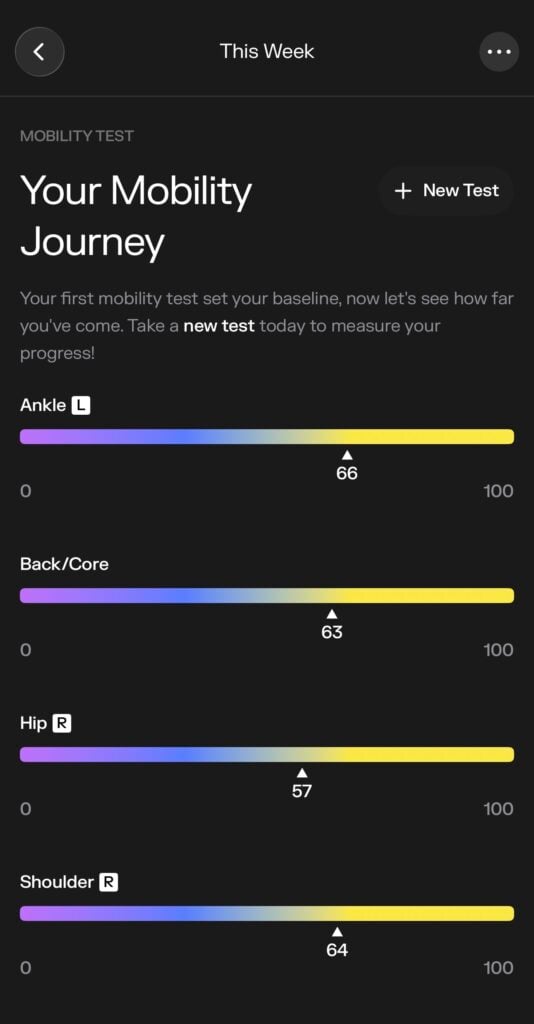
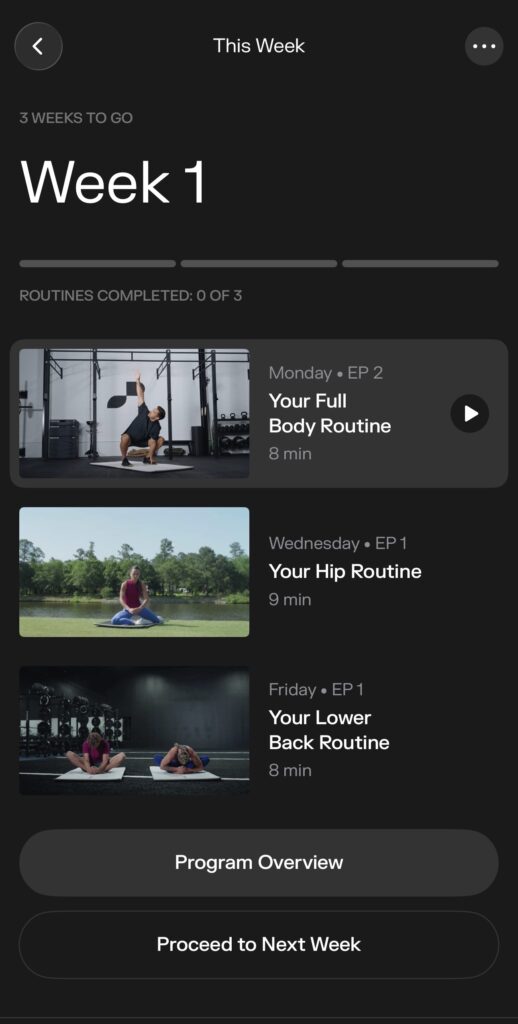
I actually found this really useful because having some structure takes away that feeling of overwhelm that a lot of people get when they first start mobility work. There is so much information online and so many random stretches that people end up not really knowing what they should actually focus on.
That said, I didn’t fully agree with all of my assessment results. It suggested I needed to focus heavily on hip mobility, whereas I personally know that upper back and shoulder mobility are bigger limitations for me. But overall, I still think it’s a really good starting point, especially for beginners.
Who Is Pliability Best For?
In my opinion, this app is best suited to people who are already training regularly and already have a fitness routine in place. Whether that’s gym training, running, cycling, CrossFit, Hyrox, or even just somebody who is active but feeling increasingly stiff and tight.
This is not a fitness app designed for fat loss workouts or strength programmes. It’s purely mobility and recovery focused.
I do think it’s especially useful for people who are starting to notice little warning signs from their body. Maybe your hips feel tight all the time. Maybe your shoulders ache. Maybe your squat depth is limited or you constantly feel stiff getting out of bed. Those are often signs that mobility work needs to become more of a priority.
I also think this is hugely relevant for people with desk-based jobs. Sitting all day absolutely affects posture, mobility, and movement quality. Even if you aren’t a serious athlete, mobility work can make a massive difference in how your body feels day-to-day.
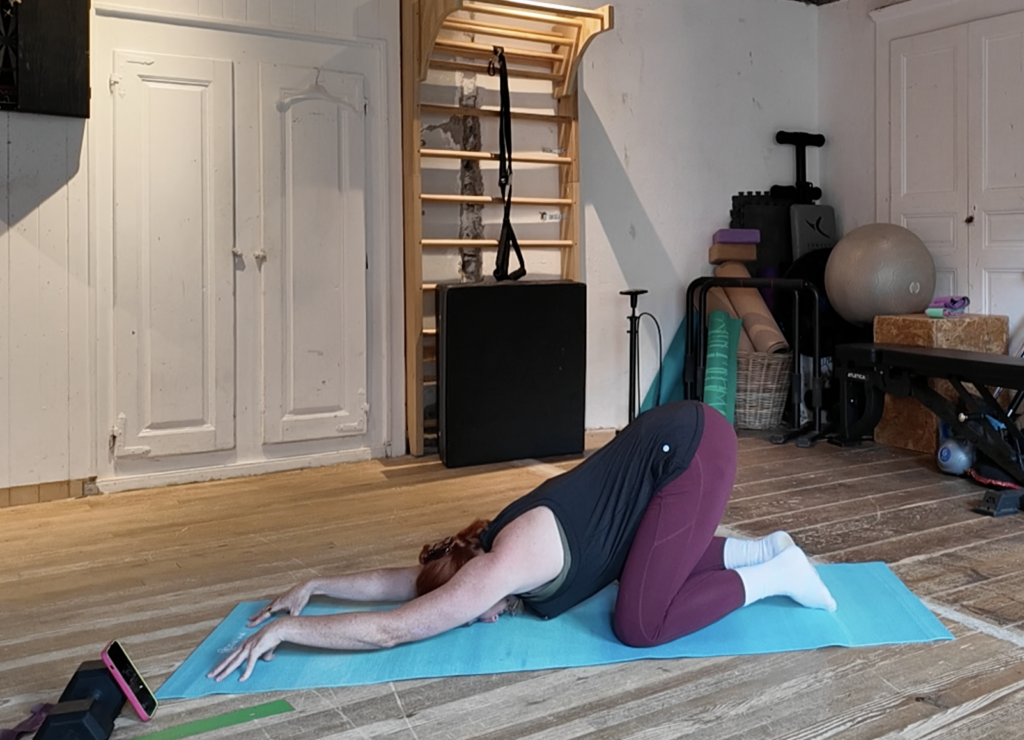
For my audience specifically, women over 40, I genuinely think mobility becomes non-negotiable. Your mobility naturally declines with age if you don’t actively work on it. We simply cannot skip this stuff and expect our bodies to feel good long-term.
The Downsides of the App
The biggest downside for me is definitely the cost.
I pay in euros and it works out at around €16.99 per month if you pay monthly. That is a fairly substantial extra expense on top of whatever training costs you already have. Most people are already paying for a gym membership, classes, personal training, or some sort of fitness programme, so adding another monthly subscription on top may feel like a lot.
Because of that, I do think this app is probably more suited to people who are highly committed to their health and fitness, or people who are really starting to feel the effects of poor mobility and want to actively improve it.
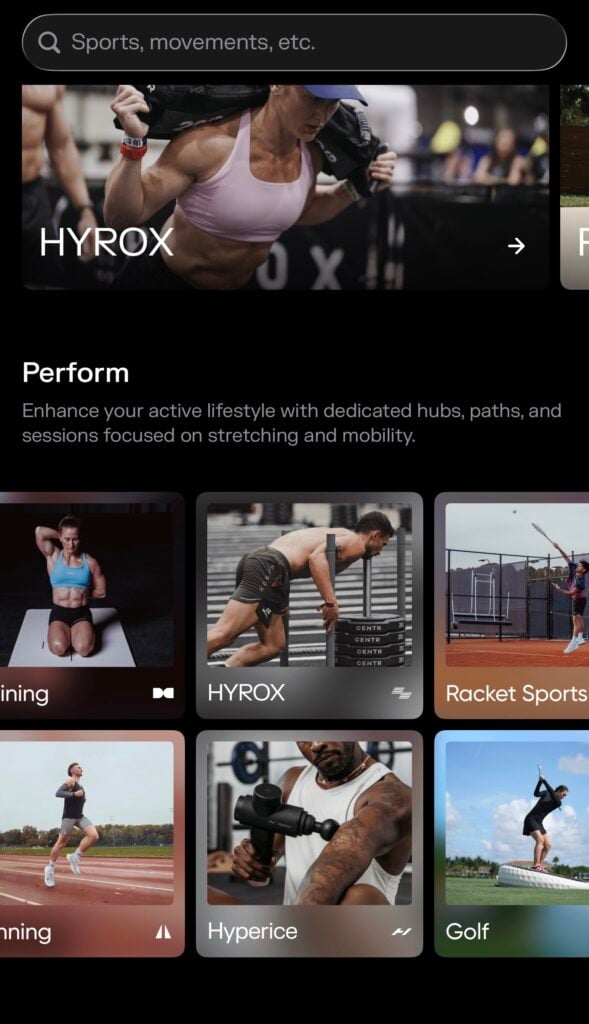
Another limitation I found was that while there are different sports-specific programmes inside the app, the selection is still relatively limited. There are programmes for things like golf, Hyrox, racket sports, and adaptive mobility, which was fantastic to see included, but I did feel there could have been more variety considering how many different sports and activities people participate in.
What I Really Liked About Pliability
Where the app really shines is the user experience and the quality of the sessions themselves.
The dashboard is clean, simple, and very easy to navigate. You can filter sessions based on body areas, session length, and goals, so whether you want a quick 10-minute upper body mobility session or a longer lower body recovery flow, it’s really easy to find what you need.
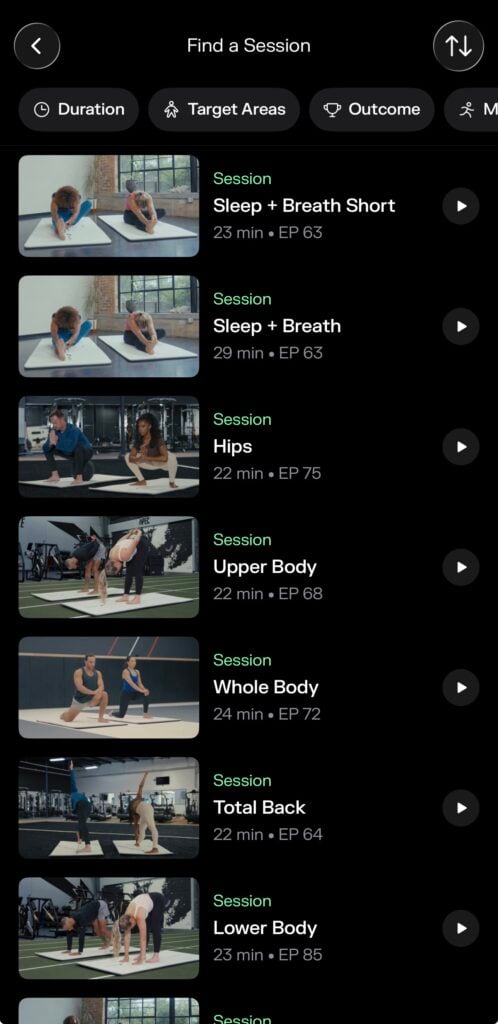
I also loved the flexibility of it. You can genuinely fit it around your lifestyle and available time. That’s something I think is really important because one of the biggest excuses people give for skipping mobility work is lack of time.
The app also does a really good job with accountability. You can set notifications, follow structured programmes, track your progress, and schedule sessions into your calendar. The programmes are progressive too, so rather than just randomly stretching here and there, you’re actually following a structured path designed to improve movement over time.
I personally really enjoyed the sessions themselves. The visuals are simple but effective, featuring real people rather than AI-generated coaches, which I appreciated as a coach myself. The music and sound design were also surprisingly good. That might sound like a small detail, but annoying audio can completely ruin an app experience for me. The background music was calming, the instruction voice was pleasant to listen to, and the timing cues were subtle without being irritating.
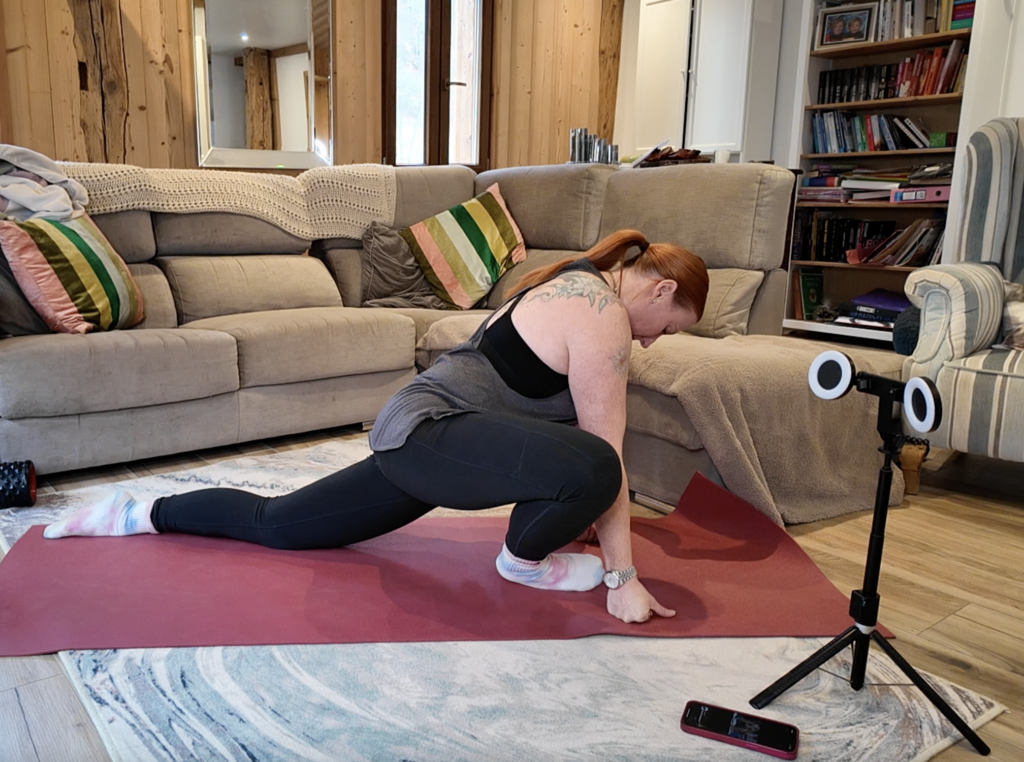
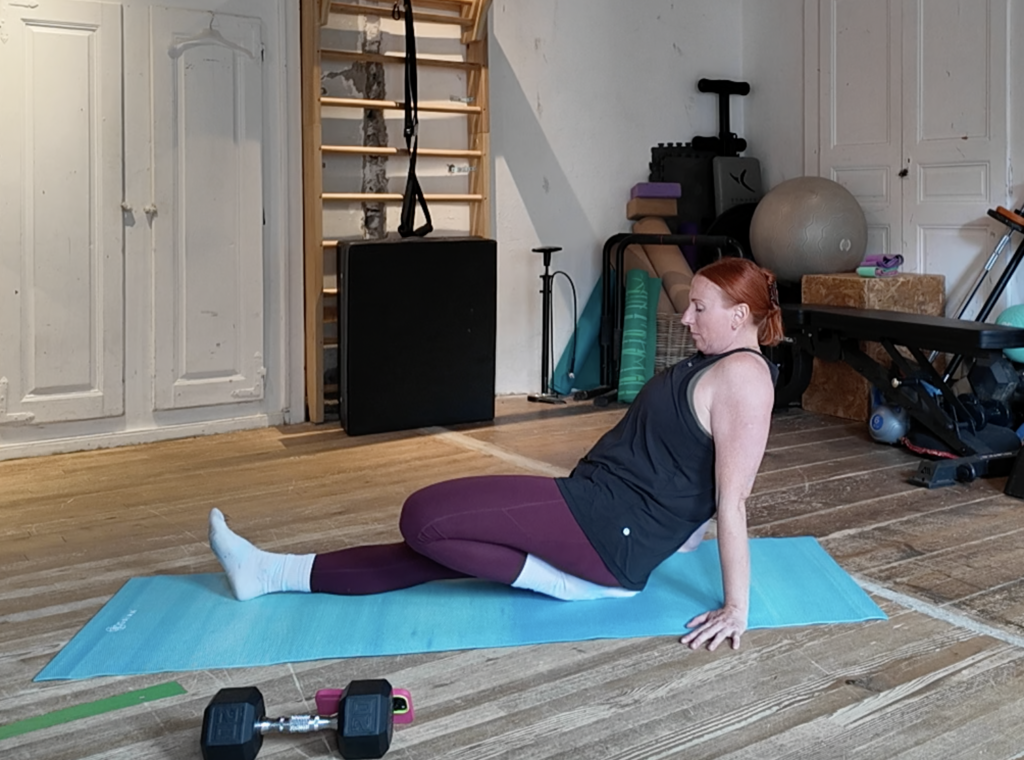
Every session I completed genuinely left me feeling better afterwards. More relaxed, less stiff, and more open through my joints and muscles. There’s nothing better than doing a mobility session and feeling that satisfying release where your body suddenly feels like it’s moving more freely again.
I also really liked the variety of movements. Even as a coach, there were stretches and mobility drills in there that I’d never tried before, and some of them felt incredible.
Passive vs Active Stretching
One thing I noticed within the app is that many of the sessions include longer passive stretches where you hold positions for around 90 seconds or so. Personally, I think there’s value in both passive and active stretching, and I was pleased to see a balance of both styles included throughout the platform.
Active mobility work can often be extremely effective for improving usable range of motion and movement control, while passive stretching can help with relaxation and recovery. Having both approaches integrated into the app gives it a much more well-rounded feel.
The Recovery Features Were Excellent
Another feature I really enjoyed was the inclusion of recovery tools beyond stretching.
There are Theragun and massage gun routines included, which I thought was brilliant. So many people already own massage guns but never actually use them properly or consistently. Having guided sessions to follow along with makes it far more likely that people will actually implement recovery work properly.
There are also breathwork sessions inside the app, which again ties into that bigger picture of recovery, nervous system regulation, and stress management.
Is Pliability Worth It?
Honestly, I think if you are serious about improving how your body feels and moves, then yes — I do think Pliability is worth it.
I think what makes the app so good is that it hasn’t tried to become a “do everything” fitness app. It has focused specifically on mobility and recovery and done it really well.
That said, I also think you need to be honest with yourself before subscribing. This app does require a level of self-accountability. If you already struggle to stretch at the end of your workouts or know you rarely follow through with home fitness routines, then you may actually be better attending a regular yoga or mobility class where you have that in-person commitment and accountability.
But if you are self-motivated, or your body is already giving you signs that you need to prioritise mobility, then this app can be an excellent investment in your long-term health and movement quality.
Even just doing 10–20 minutes a few times per week could make a huge difference in how you feel.
Final Thoughts
If there’s one thing I would encourage almost all of my clients to do more of, it would be mobility work.
Everybody wants to focus on workouts, calories, fat loss, or getting stronger, but improving your mobility is going to improve all of those things. You’ll move better, recover better, perform better, and ultimately feel better.
For women over 40 especially, mobility cannot be an afterthought. It needs to become part of the routine if we want to continue feeling strong, capable, and pain-free as we age.
So, is Pliability worth it?
If you are committed to living your healthiest, strongest, and most pain-free life possible, then yes I genuinely think it is.
I’d absolutely recommend starting with the free trial, taking the assessment, trying a few sessions, and seeing how your body responds. I personally ended up extending my trial and have continued using the app because I genuinely felt the benefit from it.
And honestly, that’s probably the biggest compliment I can give it.


Leave a Reply